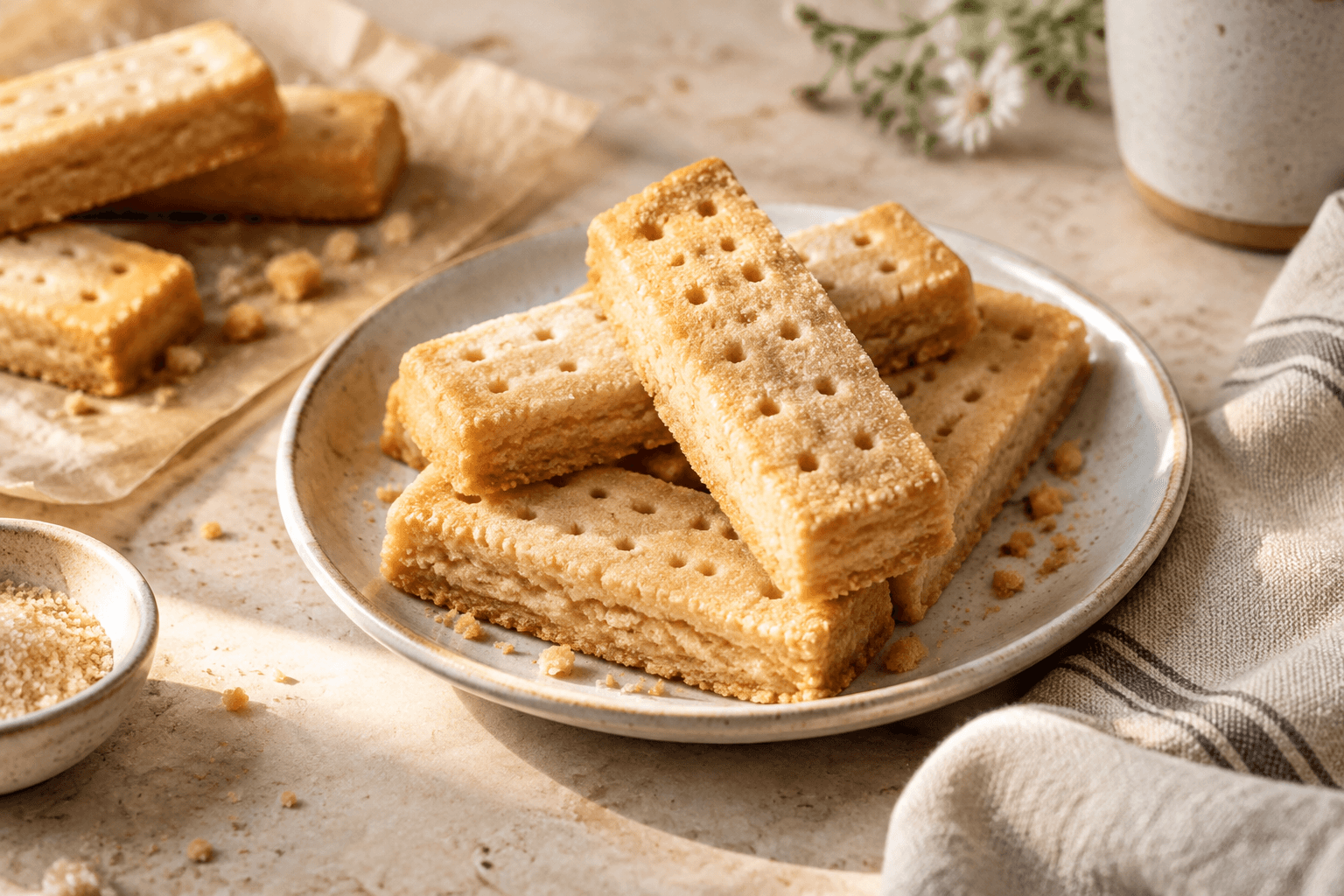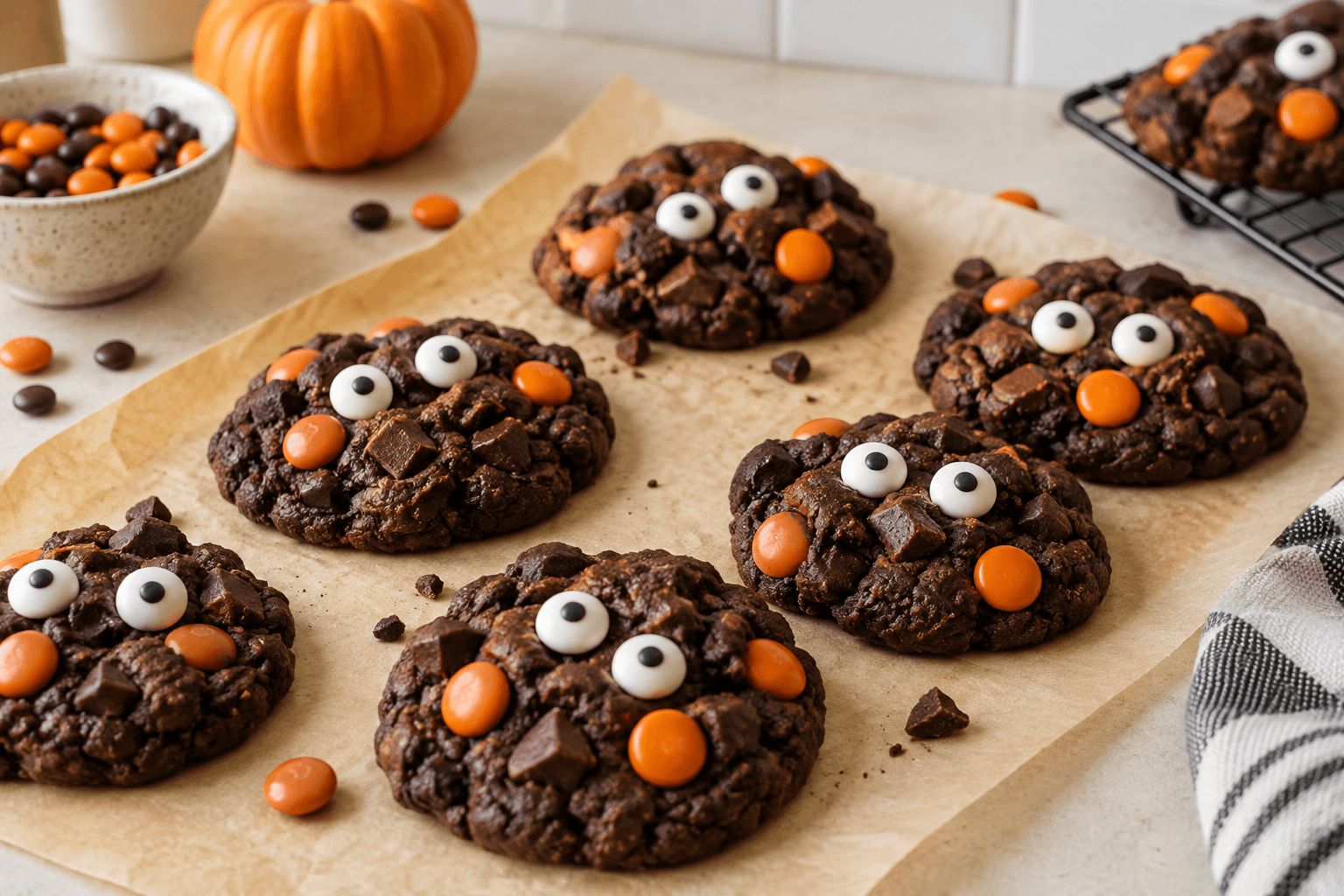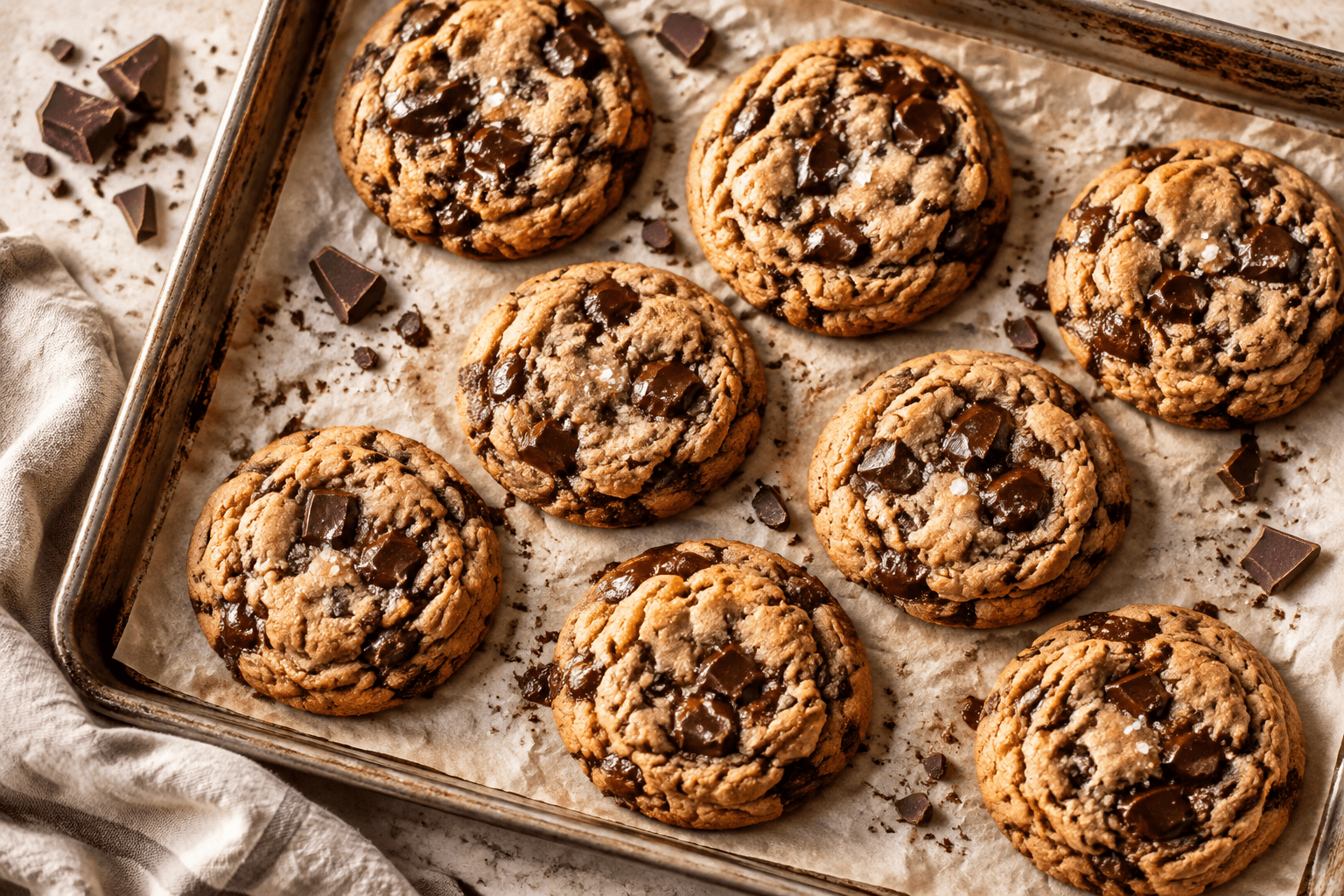
Texture is a moisture story
A crisp cookie has little moisture left in its structure. A chewy cookie retains more, but still needs enough structure to hold together. Ingredient ratios, thickness, oven temperature, and baking time all interact. A single swap rarely tells the whole story.
Brown sugar and white sugar play different roles
Brown sugar contains molasses, which brings flavor and helps hold moisture. White sugar often supports a crisper finish and more spread. Replacing a little white sugar with brown may push a recipe toward chewiness, but changes in acidity and leavening can also affect the result. Change one variable at a time and keep notes.
Butter temperature changes the starting line
Softened butter can trap air as it is creamed with sugar. Melted butter cannot trap air in the same way and often produces a denser dough. Warm, loose dough tends to spread sooner in the oven. Chilling firms the fat, but its effect depends on the recipe; it is not a universal cure for spreading.
Size and baking time finish the job
Thin, small cookies lose moisture more readily than thick ones. For a crisper finish, bake until the centers are set and the edges are well colored without burning. For a softer center, stop when the edges are set and the center is no longer glossy. Never eat raw dough; flour and eggs are not ready-to-eat ingredients.
Your pan is part of the recipe
A dark pan can brown the base more quickly than a light aluminum sheet. Silicone mats and parchment can produce different spreading and browning. Keep the liner consistent when comparing batches, bake one sheet in the center of the oven, and let the pan cool before reusing it.
Store the texture you want
Cool cookies completely before sealing. Store crisp and soft cookies separately: moisture moves from softer cookies to drier ones in a shared container. If crisp cookies soften, a brief spell in a low oven may help dry them; let them cool fully before deciding whether they need more time.
A few useful tools
An independent editorial selection, based on published specifications—not hands-on testing. Retailer links are ordinary, non-affiliate links; we currently earn no commission from them. Read our disclosure.
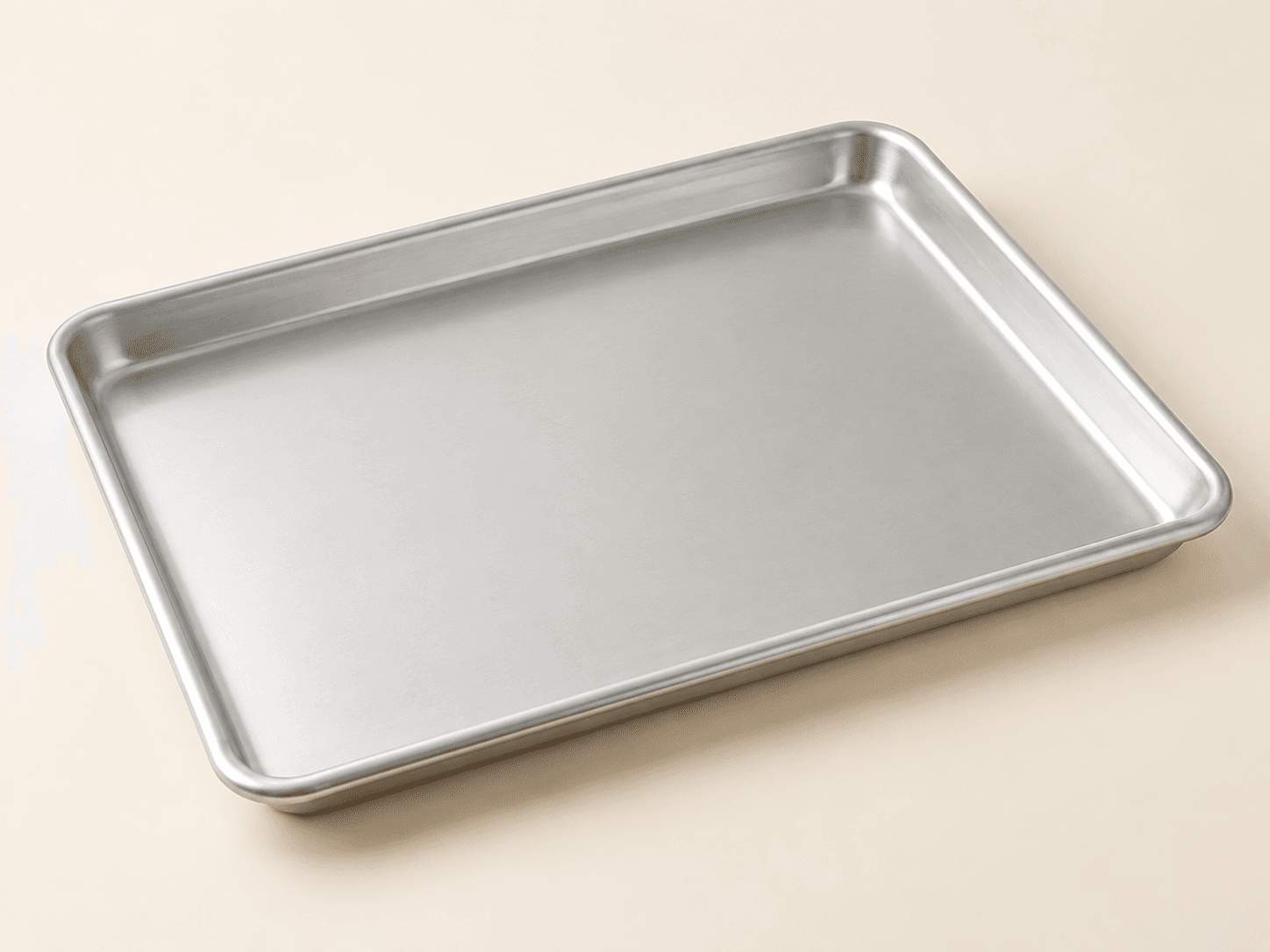
Nordic Ware Naturals Half Sheet
Aluminum · 17.1 × 12.1 × 1-inch interior
Why consider it: A light-colored surface, generous baking area, and reinforced rim make a straightforward everyday choice.
Keep in mind: Hand-wash recommended. Measure your oven against the exterior dimensions before buying.
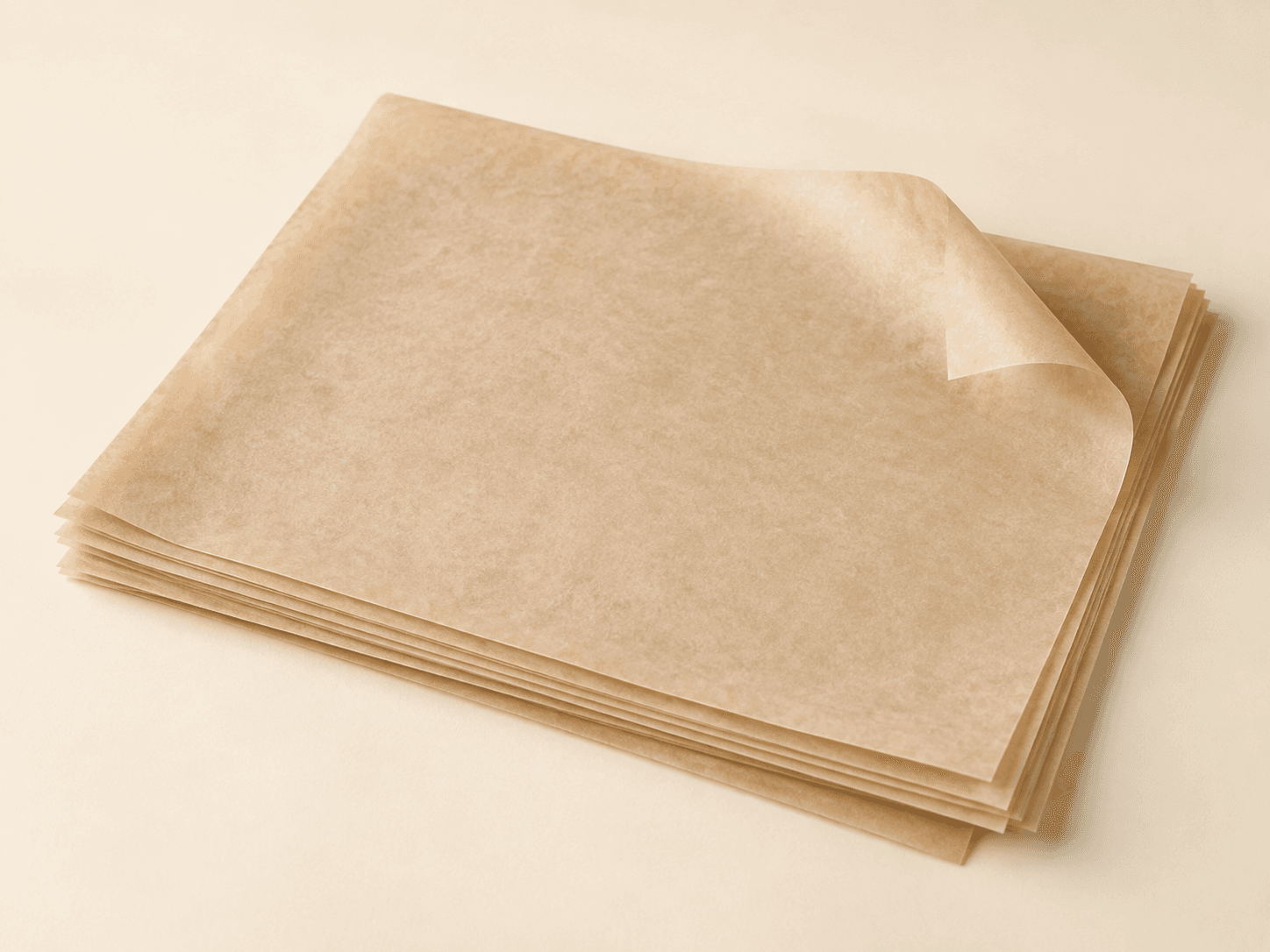
King Arthur Half-Sheet Parchment
16 1/2 × 12 1/4 inches · rated to 450°F
Why consider it: Precut flat sheets avoid curling and can be trimmed to line smaller pans.
Keep in mind: Creates waste and must stay away from direct heating elements. Check your pan fit.